
Faces of Wind: Where Wind Meets Community
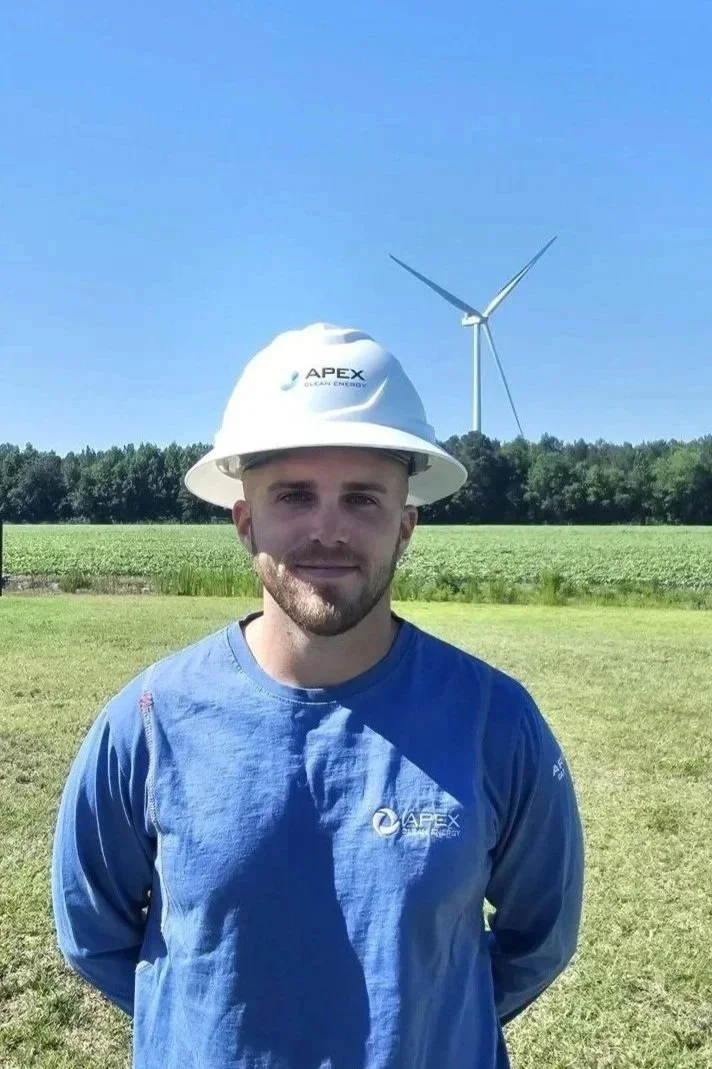
Meet Tyler. If you've ever visited the Timbermill Wind Farm in Chowan County, North Carolina, chances are you've met the person behind the hard hat and warm welcome.
Tyler grew up in northeastern North Carolina and today serves as the Timbermill Wind Farm Facility Manager. Before overseeing the 45 turbines at Timbermill, he worked as a technician at the nearby Desert Wind Farm, where he performed turbine maintenance, troubleshot equipment, and ensured the substation was operating properly. Much of that maintenance took place nearly 300 feet in the air inside the hub of a wind turbine.
Working 300 feet in the air isn't for the faint of heart, but for Tyler, working in the wind industry is "the coolest thing in the world."
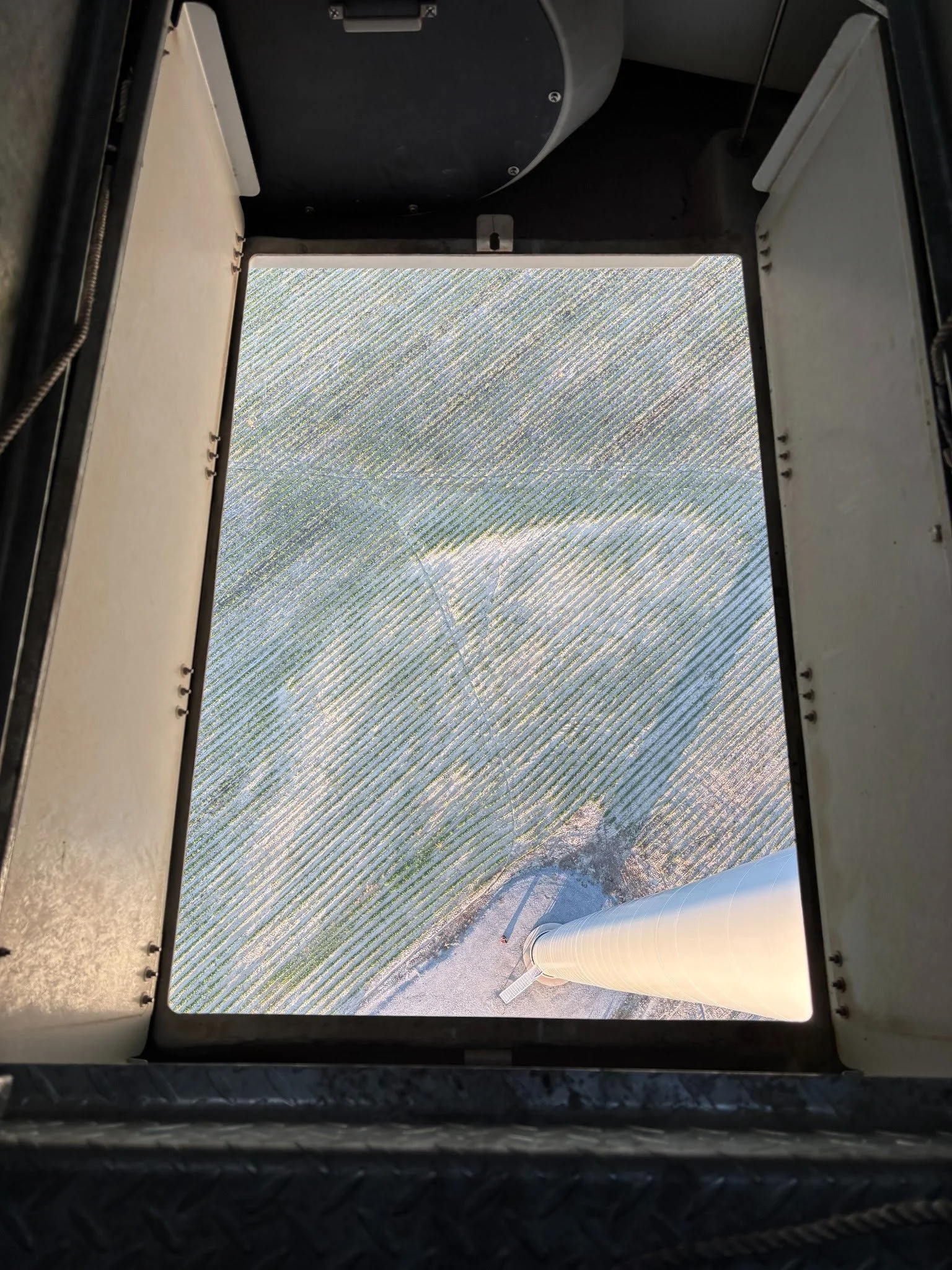
"...the first time I went up, I got a sparkly feeling, not quite butterflies…it was like my stomach was in my throat. As soon as they opened the crane hatch and I looked down, I was like, 'Holy cow.' But it's something to be proud of when you push through and do uncomfortable things…I'm one of the few people who can say they've climbed every turbine in North Carolina, and that's a special thing I get to hold on to."
Today, as the Timbermill Wind Farm Facility Manager, Tyler doesn’t necessarily scale wind turbines every day. While much of his work happens on the ground, no two days look quite the same.
From scheduling turbine maintenance to coordinating inspections and contractors, Tyler spends his days making sure the wind farm operates safely and efficiently. If you ask Tyler what he enjoys most about the job, the answer is “the people.”
"It's really about teaching people about Timbermill and making sure the landowners are well taken care of," he says.
A big part of his job happens away from the turbines. He spends a lot of time getting to know the landowners who host the wind farm, checking in with them regularly, and making sure they're taken care of. Whether it's addressing an issue with a road, helping resolve occasional crop damage, or simply being available when something comes up, he wants them to know they can always give him a call.
Another perk of the job? Welcoming visitors to the site.
Whether it's students, elected officials, church groups, realtors, or curious neighbors, Tyler has hosted—often alongside SEWC—countless tours over the years.
"I think our due diligence isn't just to operate the project but to give back to the community by talking to people and teaching them."
One of Tyler's favorite moments is watching visitors stand beneath a turbine for the first time. Seeing the sheer size of the machines up close often changes the conversation. One question quickly turns into dozens more as people become genuinely curious about how the technology works.
One of the questions Tyler hears most often is, "Who gets the power?" His answer starts with a simple analogy: electricity flows like water, going wherever it's needed on the grid rather than to a specific destination.
While Google purchases the electricity generated by the Timbermill Wind Farm through a power purchase agreement, the energy doesn’t travel directly to Google's facilities. Instead, the electricity is delivered to the regional grid, where it helps meet demand alongside power from other sources. The power purchase agreement is simply the contract that supports the project by allowing Google to purchase the renewable energy attributes associated with the electricity—typically the renewable energy credits—while the electricity itself flows wherever it's needed most.
Tours of the Timbermill Wind Farm also give Tyler a chance to hear misconceptions people bring with them. He says it's understandable because, until you've stood beneath a turbine and seen it for yourself, it's easy to make assumptions. But once visitors experience the turbines up close and learn about the project, many leave with a completely different perspective.
"When the project first started, people were skeptical, for sure..." Tyler shared. "...this project is for the greater good, no matter what…we're here to stay, and it's cool that we can help people who weren't necessarily fans of us before."
Over time, Chowan County residents have grown more familiar with the wind farm, and that growing familiarity has translated into benefits that extend beyond renewable energy.
Since it became operational in 2024, the Timbermill Wind Farm has already contributed to the community through property tax payments that help fund schools, roads, and other public services. The wind farm is now Chowan County's largest taxpayer, contributing approximately $750,000 annually in net property taxes. This year, the county was able to offset nearly half of the proposed increase in its new budget because of the wind farm revenue. In a small, rural county like Chowan, this increase in the tax base will help the community thrive for years to come.
Landowner lease payments have helped local farmers establish a retirement plan and weather difficult seasons. And that's not to mention the economic impact the wind farm's construction had on the county.
"We spent $25 million alone in Edenton and the surrounding area on lodging, meals, fuel, and equipment rentals during construction."
Sometimes, the impact is even more personal.
Tyler recalled how one landowner told him the payments they received during construction were life-changing for their family as they endured a period of hardship.
"That moment will always stick with me…to be able to help the community in different ways and make a difference is really special."
It's moments like those that remind him why the community benefits of these projects are so important. It's a win-win: clean energy for the grid and financial certainty for the families who share their land.
So what would Tyler tell someone who's still unsure about Timbermill Wind Farm?
"I would say, don't judge a book by its cover or by something you heard. Come tour Timbermill, and let's have a conversation. Let's dig into the questions and learn about what it truly is and what it does for everyone."
As for what's next?
Looking toward the future, Tyler is optimistic about the future of wind energy in North Carolina.
"As a North Carolina native, I can't wait to show what North Carolina wind represents and spread the good news and information about renewable energy diversity in our state."
For Tyler, wind isn't just about generating electricity—it's about investing in communities, creating opportunities, and helping shape North Carolina's energy future.
