
No Silver Bullet, No Single Fuel: What Texas Can Teach the Carolinas About Energy Resilience
With the impacts of Winter Storm Fern in recent memory and hurricane season fast approaching, southeastern states are looking to strengthen the grid and keep utility bills affordable. Meanwhile, utilities across the Carolinas are expecting a sharp increase in energy demand driven by economic and population growth and electrification. Duke Energy, which serves customers in both Carolinas, forecasts demand growth at eight times the pace of the prior 15 years.
Managing energy affordability and reliability will be a balancing act, and energy experts across the political spectrum recognize that no single resource will be a silver bullet. We need an "all of the above" strategy to create that balance.
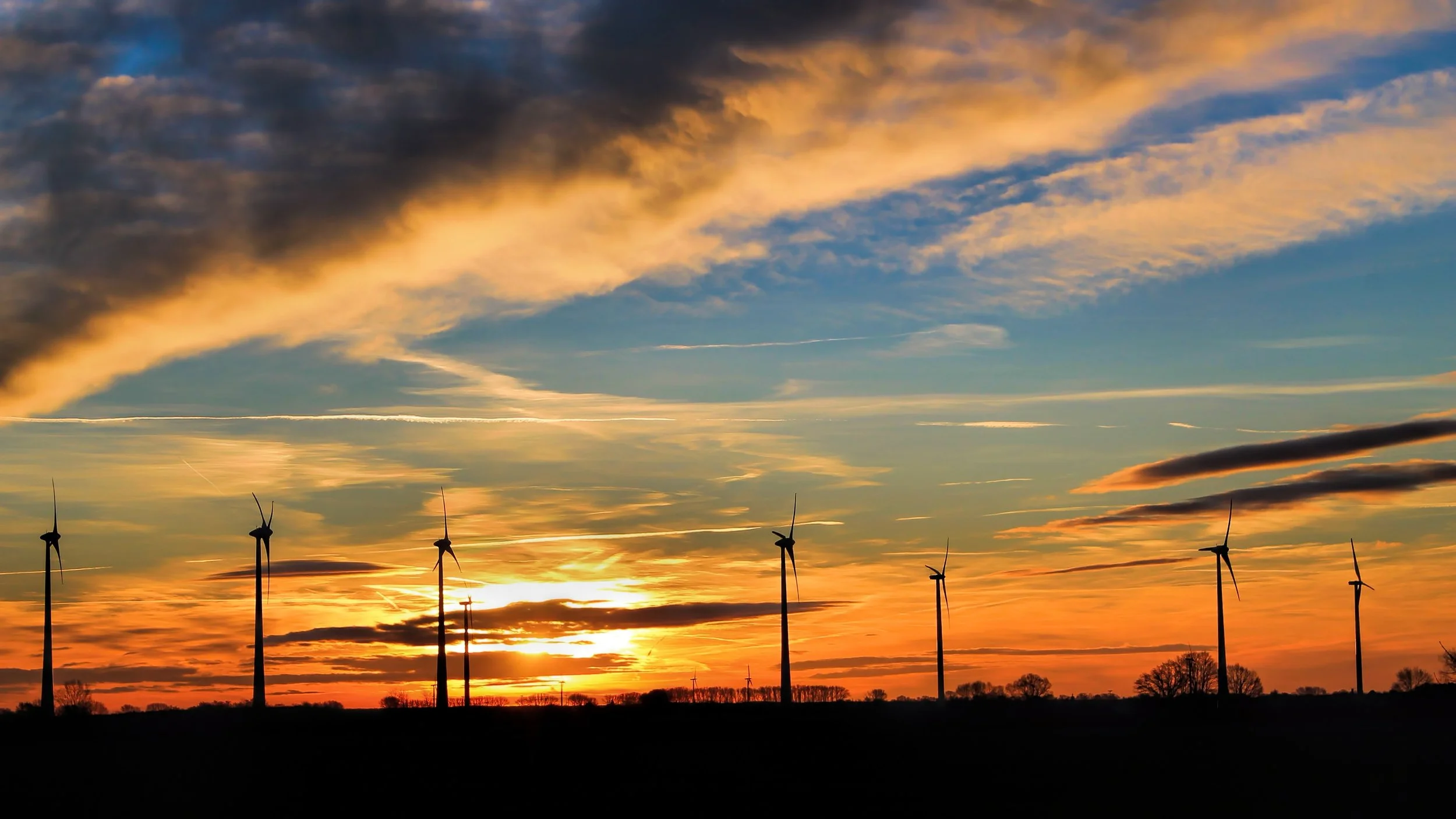
A state that has fully embraced the "all of the above" approach is one you may not at first expect, yet it should get a gold (lone) star for its balanced generation mix. Texas has always been a major energy producer, but over the last decade it has invested in enough renewable energy to produce almost half of its total energy supply. Texas has taken advantage of low-cost resources, adding roughly 14,000 MW of wind and 19,000 MW of solar in five years. As a result, wind and solar now generate around 30% of the state's electricity—enough to power nearly 10 million homes. This growth in renewable energy is not driven by climate goals; it’s driven by streamlined processes and planning that lead to economic opportunities.
The grid looks a little different in the Carolinas. In North Carolina, renewables provide about 15% of electricity generation, while South Carolina remains closer to 8%. While both states have made progress in solar expansion in recent years, and North Carolina has two utility-scale wind projects online, the slower pace of development is partly due to how energy markets operate in the Southeast.
When it comes to energy, Texas and the Carolinas have a few things in common. First, they both need affordable energy that is not affected by fluctuating fuel prices, and second, they need a reliable system during times of peak demand. Wind and solar check both of these boxes. They are quick-to-deploy resources that prove valuable during extreme weather and peak demand periods. They also apply downward pressure on energy costs by allowing utilities to use free renewable energy first, reducing the need to run more expensive resources.
History shows us that natural gas prices spike dramatically during severe weather events, which ultimately impacts ratepayers. By investing in fuel-free resources like wind and solar, Texas has built a more diversified resource mix that protects customers from sudden swings in fuel costs. During extreme conditions, such as hurricanes and winter storms, wind, solar, and battery storage help keep electricity affordable by stabilizing prices and reducing reliance on expensive fuel purchases.
Texans saved more than $200 million in fuel costs during Winter Storm Fern because renewable resources supplied roughly 24% of the state's electricity. Grids with a smaller share of renewable energy generation saw higher power prices during the storm. The real advantage of renewables is that they have no fuel costs, very low operating costs, and no need to buy gas in the middle of a price spike.
Utilities are expected to provide power that is both reliable and resilient. Reliability means meeting customer demand under normal conditions; resilience means keeping power flowing during disruptions like severe weather and recovering quickly afterward. When the weather turns brutal, there is less room for missteps, and a system with a broad mix of resources is more resilient in times of uncertainty.
People often criticize wind and solar because they don't produce power all the time, but this overlooks the fact that grid operators can predict how much energy they will produce days in advance. Fossil fuels have reliability challenges too. Fuel supplies and prices can be disrupted by extreme weather or global events, often with little warning. Winter storms can freeze gas infrastructure just as demand peaks, creating reliability challenges and price spikes. Unlike renewable variability, these problems are hard to predict and difficult for grid operators to control.
During Winter Storm Elliott in 2022, roughly half a million residents across the Carolinas experienced rolling blackouts on Christmas Eve due to gas plant failures. By contrast, during the peak hours of Winter Storm Fern in 2026, wind exceeded expectations on Texas’s grid by almost double. Looking ahead, planning forecasts project that the combined winter peak demand for Duke Energy Carolinas and Duke Energy Progress will grow by more than 6,000 megawatts over the next 25 years—an increase of more than 20% over today's system. Wind energy tends to produce strongly during winter peak periods, making it well-positioned to help meet growing winter demand, strengthen grid resilience, and diversify the Carolinas' energy mix against future extreme weather events.
The Carolinas are staring at a future of growth and pressure on an aging system. As we plan for tomorrow's energy needs, we can't pretend that every resource does the same job. Texas has recognized the economic and energy security benefits of an "all of the above" strategy. It's time for the Carolinas to build a portfolio that is less fragile, less exposed to fuel shocks, and more predictable over time. A resilient grid.
