
The Powering Louisiana Lunch and Learn Series: Bringing Energy Education to the Louisiana State Capitol
Over the last two years, Louisiana has secured $100 billion in investments from economic development projects in energy-intensive industries. The projected load growth from data centers and advanced manufacturing plants, and associated interest in developing new power generation, has made regulating new energy technologies an increasingly prominent focus for Louisiana’s lawmakers over recent legislative sessions.
The 2025 legislative session brought a wave of proposals targeting wind and solar, while carbon capture and industrial microgrids were focus areas in 2026. This growing legislative attention on energy issues has emphasized the need for bringing fact-based, nonpartisan education to lawmakers on the energy technologies they are considering how to regulate. As the Southeastern Wind Coalition considered how to meet this need, we turned to our colleagues at the Advanced Power Alliance and the Southern Renewable Energy Association. Their education campaigns in neighboring southern states served as the inspiration for the Powering Louisiana Legislator Energy Lunch & Learn Series we hosted throughout Spring 2026.
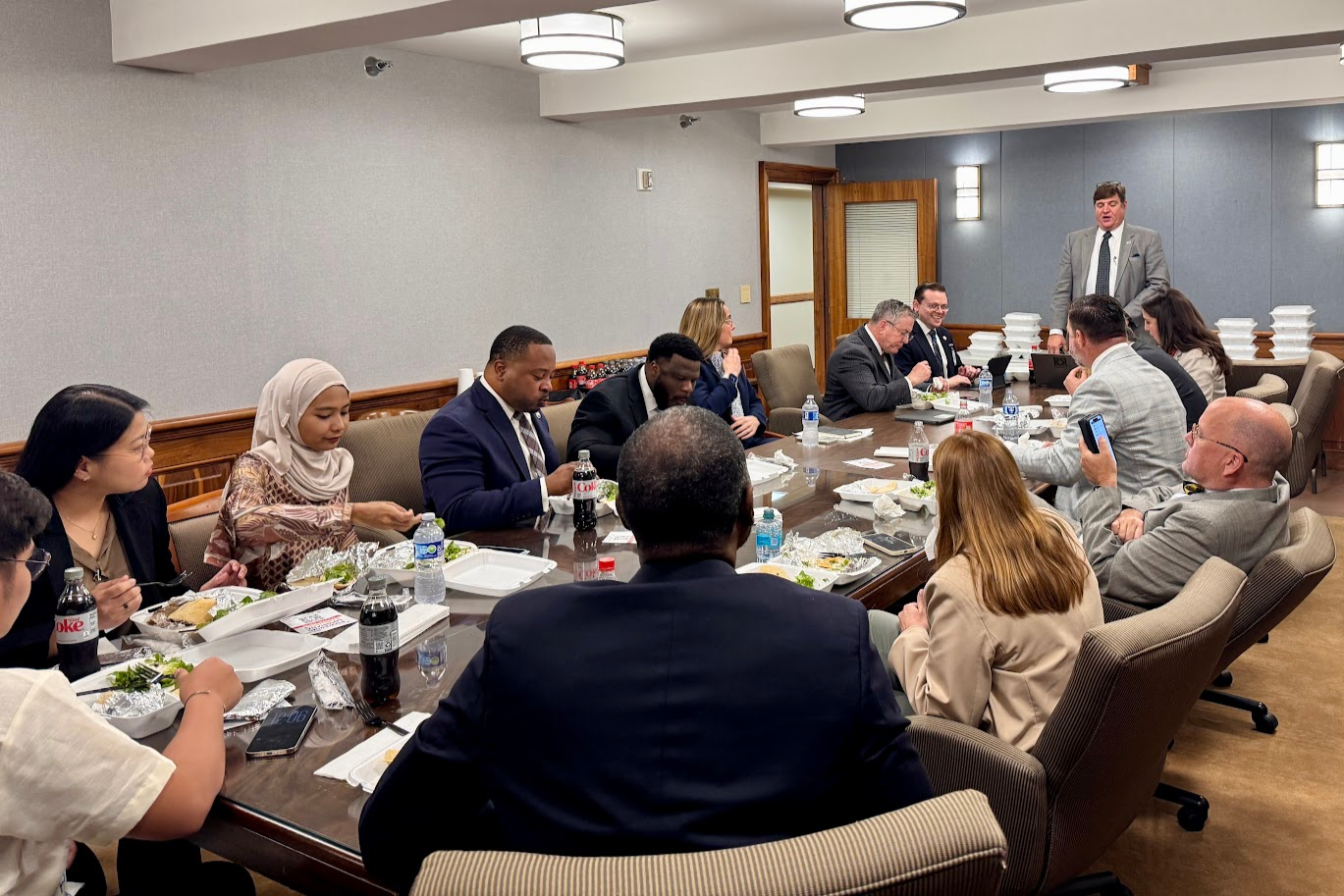
This series provided a vital, low-pressure space for state leaders to connect directly with an esteemed lineup of academics, advocates, utility representatives, and project developers. The goal was simple: educate lawmakers about the diversity of energy technologies needed to cement Louisiana’s position as an energy leader.
A Collaborative Look at Louisiana's Electric Grid
Across four lunchtime sessions, the series brought diverse perspectives to the table, focusing heavily on economic development, workforce benefits, energy diversification, and grid reliability:
Leveraging Industrial Leadership for Clean Hydrogen: Hosted by the Clean Air Task Force on March 25th, this session highlighted how Louisiana’s existing industrial infrastructure makes it uniquely positioned to lead the emerging clean hydrogen marketplace. Representative Orgeron discussed the work done by the Louisiana Clean Hydrogen Task Force, which was created by the legislature in 2024. The Energy Institute of Louisiana’s Dr. Mark Zappi presented on the uses of hydrogen and the economics of clean hydrogen. Lindsay Cooper Phillips from the Clean Air Task Force provided an overview of hydrogen markets and their evolution, while Patrick Riley from the Louisiana Chemistry Association emphasized how clean hydrogen could foster industrial growth in the state.
Grid Resilience & Advanced Technologies: Hosted by SEWC on April 13th, this briefing demystified Advanced Transmission Technologies (ATTs) and Battery Energy Storage Systems (BESS) and showed how these tools can quickly expand grid capacity and protect Louisiana businesses and homes from costly power disruptions. Jay Caspary from Grid Strategies kicked off the lunch-and-learn with an introduction to ATTs. Advanced Power Alliance’s Lyndsi Lambert followed with a discussion of BESS and how the technology aided Texas during Winter Storm Fern. Lastly, Tim Sansing, an engineer at Entergy Louisiana, showcased the utility’s newest Neuron ATT pilot on LSU’s Campus.
Advanced Nuclear SMRs: Hosted by the Louisiana State University Office of Research & Economic Development on April 27th, this session explored the long-term development timeline for Small Modular Reactors (SMRs) and how Louisiana can capitalize on its rich manufacturing potential to anchor this supply chain. Associate Professor from LSU, Dr. Manas Gartia, showcased Louisiana’s history with nuclear and provided an introduction to advanced nuclear technology. Stephen Swiber, Deputy Secretary of the Department of Conservation & Energy, then followed up with Louisiana’s Nuclear Strategic Framework, which establishes the state’s plan to become a leader in nuclear technology and manufacturing.
Wind and Solar Energy: Hosted by Southeastern Wind Coalition on May 11th, the final session focused on "speed to power"—how quickly renewables can meet the urgent, massive energy demands of new industrial facilities and data centers while offering enormous workforce and manufacturing advantages. Dr. Terry Chambers of the University of Louisiana in Lafayette spoke on the economics of renewable energy and the future pipeline of solar projects. On behalf of SEWC, I gave an overview of the current state of wind energy in the state. Dr. Alex St. Pé, a wind and solar developer at RWE Americas, highlighted the innovation underway in the Southeast and the benefits of a diversified energy approach. Tony Manning, another developer with RWE, shared the economic benefits to landowners and parishes from these projects.
Bi-Partisan Engagement and Dedicated Leadership
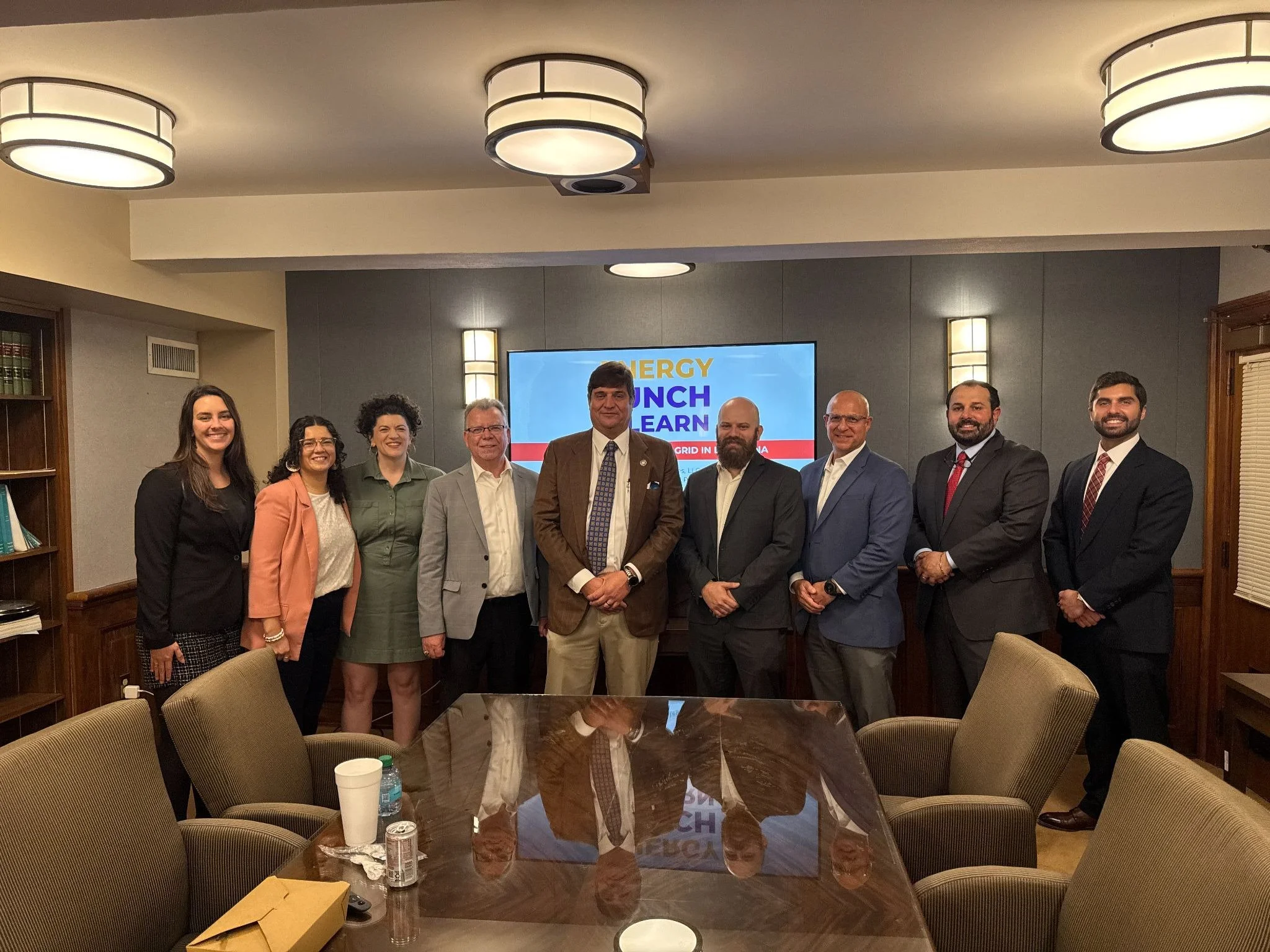
The true measure of the series's success was the incredible engagement from Louisiana's lawmakers. In total, the series reached 17 unique legislators spanning both chambers and both political parties, with multiple representatives returning week after week to dive deeper into energy topics. We are deeply grateful to the legislators who carved out time from their incredibly hectic schedules to prioritize these conversations
We also want to extend our sincere appreciation to our series sponsor, Representative Orgeron. His leadership and dedication were instrumental in coordinating these sessions.
Looking Ahead to 2027
Across the series, lawmakers made clear that their appetite for energy education is high. By focusing on economic realities, supply chains, and pragmatic solutions for large power consumers, we have laid a strong foundation this spring. The Southeastern Wind Coalition is excited to build upon this groundwork next year, continuing to provide this space for meaningful relationship-building between legislators, industry, and energy experts. We are committed to serving as a trusted resource to ensure Louisiana remains a premier destination for industrial investment and economic prosperity.
