
From the Room Where It Happens: SEWC at MISO Board Week
By Madelyn Smith, Program Manager, Southeastern Wind Coalition
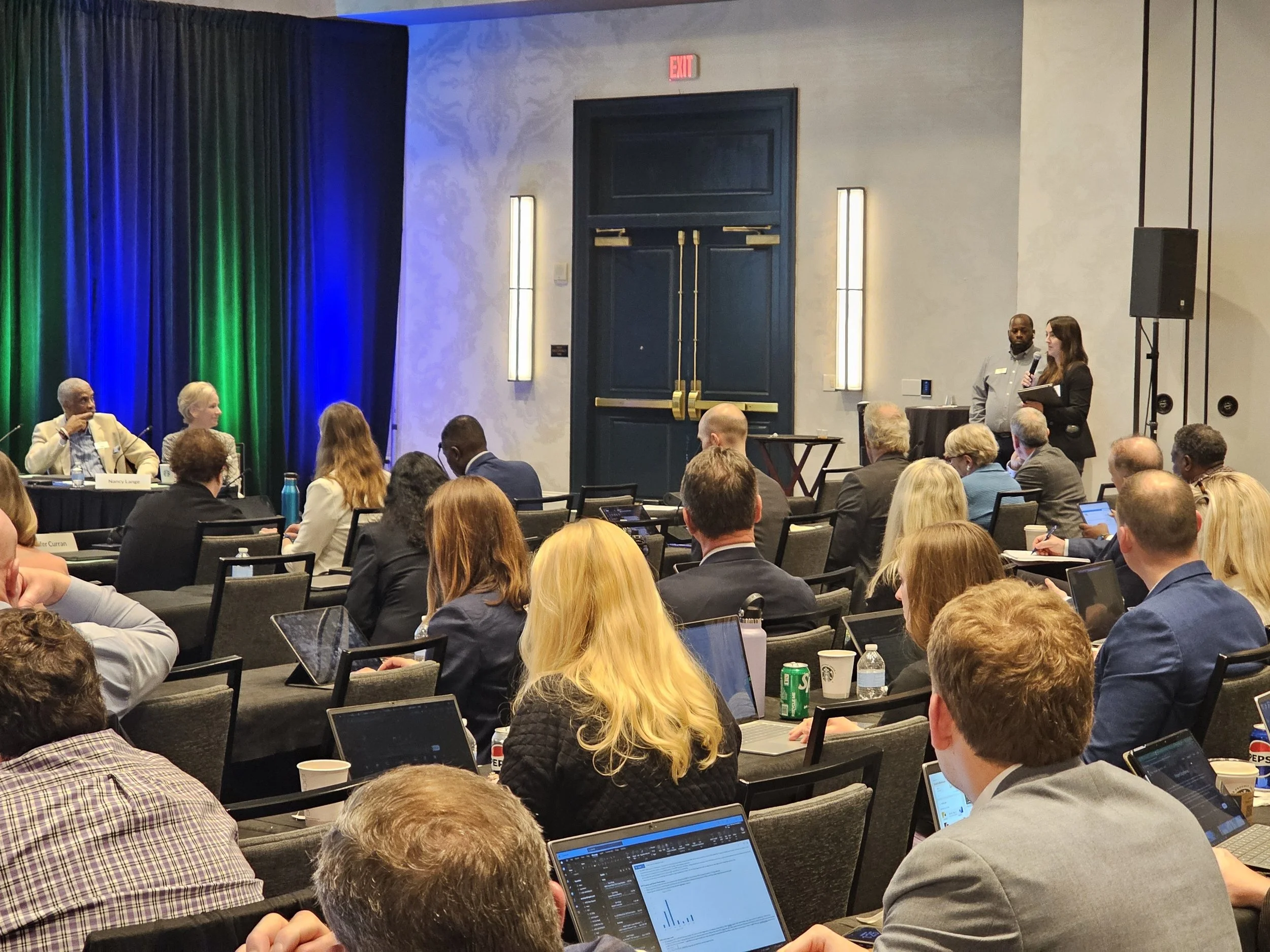
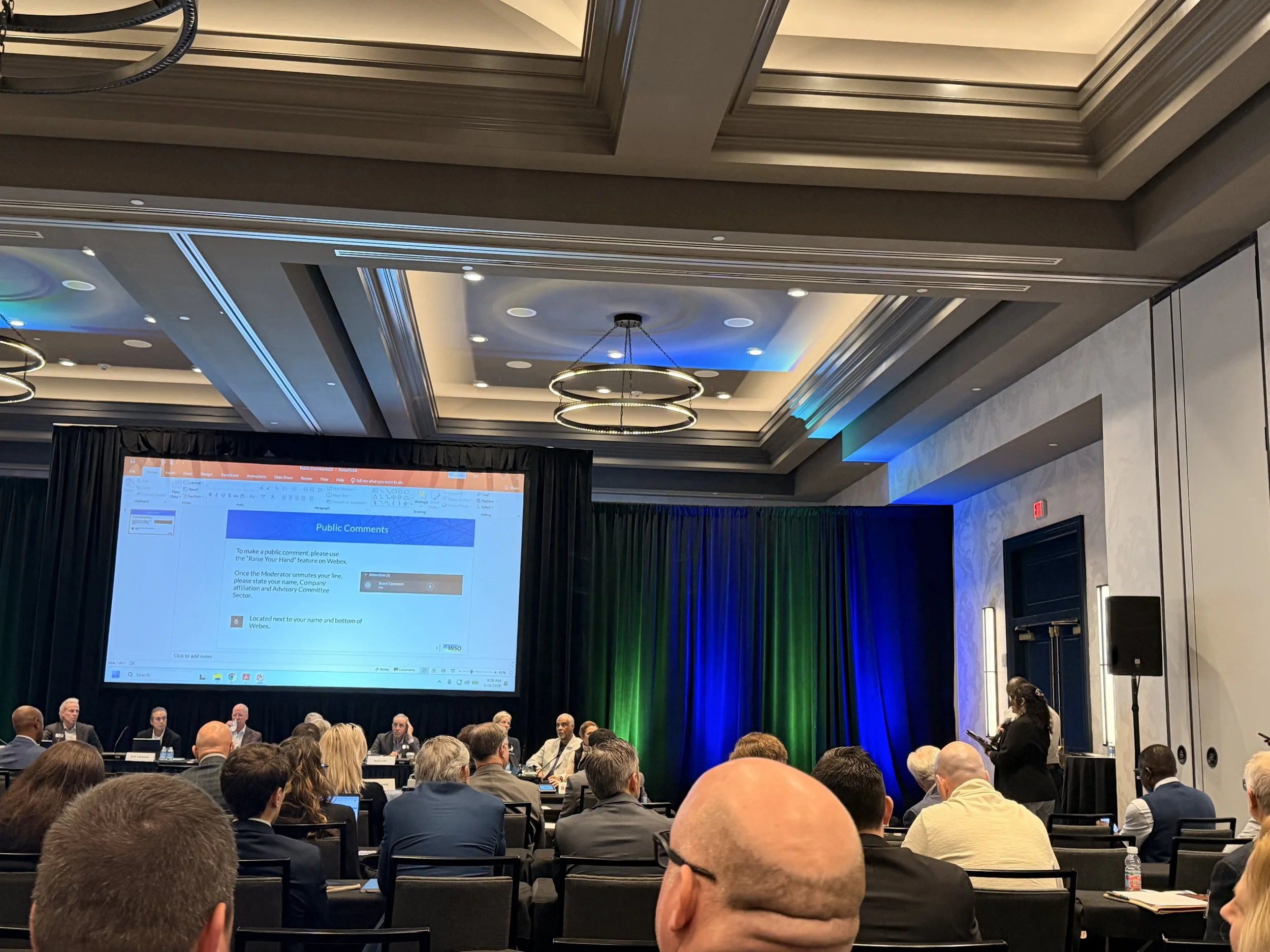
This week, I sat in a New Orleans conference room surrounded by transmission owners, renewable energy developers, utility executives, consumer advocates, environmental groups, and leadership of one of the country's largest grid operators — all of them discussing how to build an electric grid that works for everyone. It was my first time attending MISO Board Week, and I left convinced that this is a unique, multistakeholder process that more people need to know exists.
MISO — the Midcontinent Independent System Operator — manages the flow of electricity across a 15-state footprint stretching from Manitoba to the Gulf Coast. Every decision MISO makes shapes electricity reliability and affordability for millions of people. And several times a year, they open their doors to public debate and comment at MISO Board Week.
What Actually Happens at MISO Board Week
As this was my first time attending a MISO Board Week, I was pleasantly surprised to find that the meetings aren't dry regulatory proceedings. They're a living, breathing debate about the future of the energy grid, with seats at the table for anyone willing to show up.
These conversations about the future of the electric grid are urgent. The MISO strategy update, provided by staff, laid out the sheer scale of change underway: load growth driven by data centers and electrification is accelerating, the queue of new interconnection requests is massive, and the resource mix is shifting quickly. MISO is marking its 25th anniversary as the nation's first FERC-approved RTO, and the grid it was originally built to manage looks vastly different from the grid it will operate over the next several decades.
What struck me most was watching representatives who maintain very different perspectives, grapple with the same questions together. Energy developers expressed support for increasing fast-track processes that can quickly analyze and approve new generation projects to serve large loads. An environmental advocate called for returning to one unified process for handling interconnection requests and progress on long-range and interregional transmission planning. A consumer advocate talked about expanding access to battery and energy storage systems, while the affiliate sector spoke about how coal plants can help mitigate gas price volatility during extreme weather events.
While MISO stakeholders don’t always agree, they all commit to sitting down together to debate how to develop the future energy grid to best serve society.
The Big Questions on the Table
The Advisory Committee session raised questions that don't have easy answers: How can MISO best deal with issues arising from the number and speed of large load additions? What operational risks is MISO not fully accounting for? How can decision-making balance affordability and reliability? How should capacity markets evolve to reflect a grid that looks less and less like the one those markets were designed for? How do you make interconnection processes fast enough to meet the moment without sacrificing transparency or fairness?
One theme ran through nearly every discussion: the speed of change on the grid is accelerating, introducing new risks, and the institutions responsible for managing that change are working hard to keep up. However, they need input from the full range of people affected by their decisions, not just the largest and best-resourced stakeholders.
Participating in the Public Comments Process
I made a public comment during the System Planning Committee meeting, where I talked about the outage that left 100,000 Louisiana residents without power last May, and how regional and interregional transmission planning projects like the MISO South Load Pocket Risk Assessment and the MISO-SPP Coordinated System Planning Effort are critical to building a more reliable and resilient transmission system. The public comments felt significant because they are an opportunity for the people making decisions to hear directly from the stakeholders affected by them.
The next MISO Board Week will be in June in Milwaukee, WI. Between now and then, MISO will continue to advance planning efforts that will shape how the grid is planned for years to come.
Until then, we’ll be tracking how transmission decisions are made and advocating for a grid that’s reliable, resilient, and ready for wind in MISO South. We hope you’ll be paying attention too.