
Faces of Wind: Building the Workforce Behind Arkansas’s Energy Future
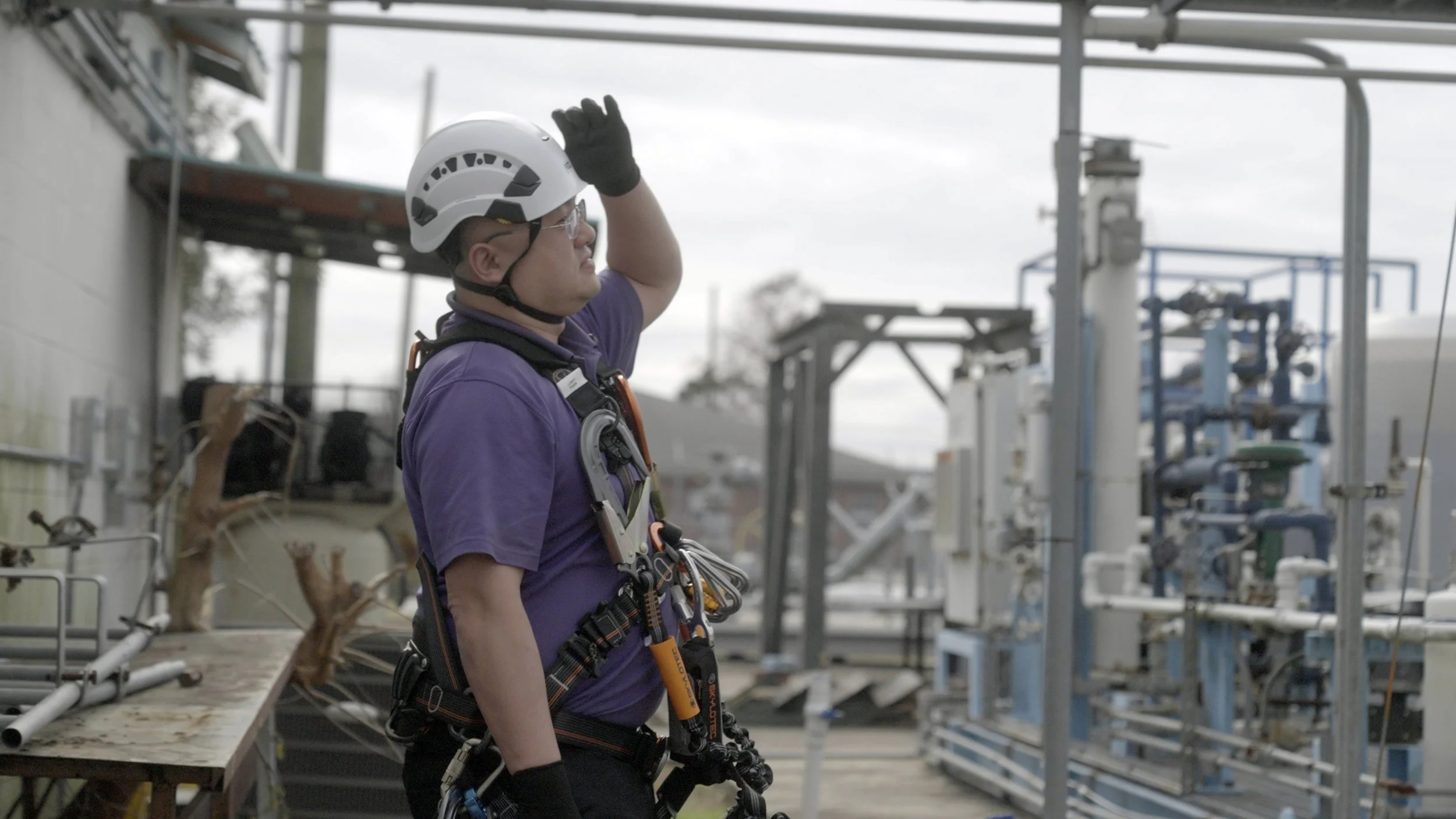
Energy Workforce Day is a reminder that behind every megawatt generated is a workforce making it possible. As Arkansas’s energy sector continues to evolve, building a skilled, adaptable workforce will be essential to meeting the future demand and supporting long-term economic growth.
Across the country, energy careers are expanding rapidly, particularly in renewable sectors. Wind turbine service technicians and solar photovoltaic installers are projected to be among the fastest-growing occupations over the next decade, reflecting a broader shift toward diversified energy sources and the need for specialized skills. These roles are just one part of a much larger ecosystem of opportunities that extend far beyond what many people typically associate with energy jobs.
In wind energy, careers span the full lifecycle of a project. While construction roles are often the most visible, they represent only the beginning, with utility-scale wind projects in Arkansas and the broader region capable of supporting hundreds of construction jobs during peak build phases. Manufacturing jobs support the production of turbine components, while project development professionals handle planning, siting, and permitting. Once projects are built, long-term operations and maintenance roles provide stable, high-skill employment, alongside careers in grid and transmission work that ensure energy reaches homes and businesses. The industry also depends on a wide range of support roles, from logistics and data analysis to finance. As the sector matures, additional opportunities are emerging in areas like decommissioning and recycling, further expanding the workforce landscape.
Preparing workers for these careers requires strong training and workforce development pathways. Programs like SkillStream, SkillSync, and SkillSeekers are helping connect individuals to certifications and hands-on experience, while regional efforts such as the Nunez Community College Wind Energy Technology Program demonstrate how targeted training can meet industry needs. As the first program in the country to offer Global Wind Organization-certified training, Nunez Community College highlights the kind of innovation and collaboration needed to build a pipeline of skilled workers across the Southeast.
At the same time, employers across the energy sector are seeking candidates with technical expertise, safety training, and the ability to adapt as technologies evolve. Creating clear connections between training programs and job opportunities will be key to ensuring that workforce supply keeps pace with growing demand.
The benefits of this workforce growth extend beyond individual careers, particularly in rural communities. Wind energy development can provide stable income for landowners through lease agreements, helping offset the uncertainty of agricultural markets, with typical wind lease payments in Arkansas and across the region ranging from approximately $5,000 to $10,000 per turbine per year as of 2026. It also generates local tax revenue that supports schools, infrastructure, and emergency services. Importantly, wind farms can coexist with agriculture, allowing farmers to continue working their land with minimal disruption and no known negative impacts to livestock.
Building a robust wind energy industry in Arkansas and across the Southeast has the potential to create ripple effects throughout the broader economy. Expanding domestic supply chains for turbine design, manufacturing, and transportation would support additional jobs across multiple industries, reinforcing the region’s role in a growing energy economy.
On Energy Workforce Day, the message is clear: investing in workforce development is critical to the future of energy. As energy technologies advance and markets shift, staying informed and adaptable will be key. Building a vibrant wind energy industry and investing in workforce development positions Arkansas to compete in a rapidly changing regional and national energy landscape.