
Louisiana’s Future in Wind: What a Virginia Study Tour Taught Us About Building a Wind Supply Chain
By Madelyn Smith, Senior Program Manager & Karla Frias-Romaine, Program Manager, Louisiana
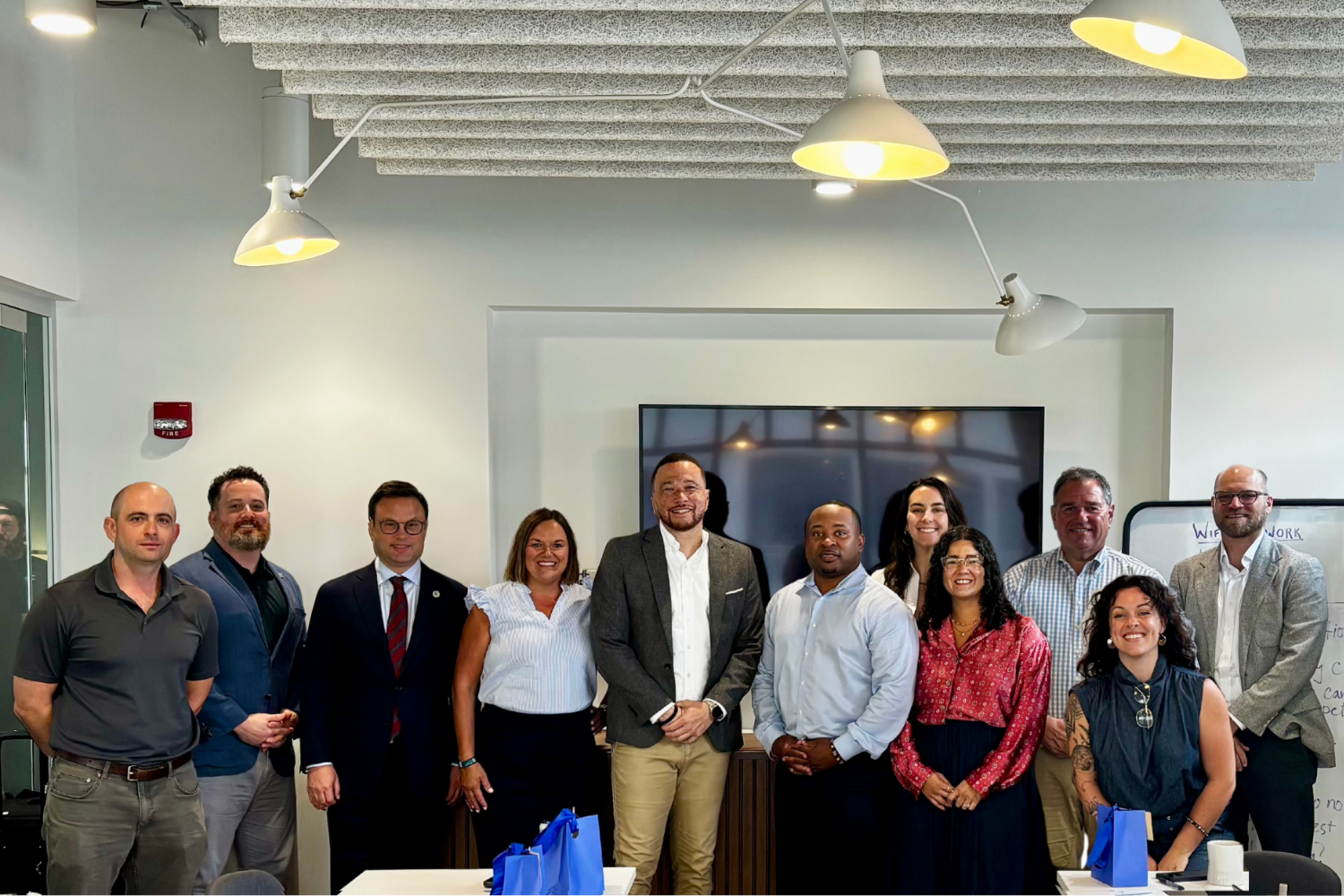
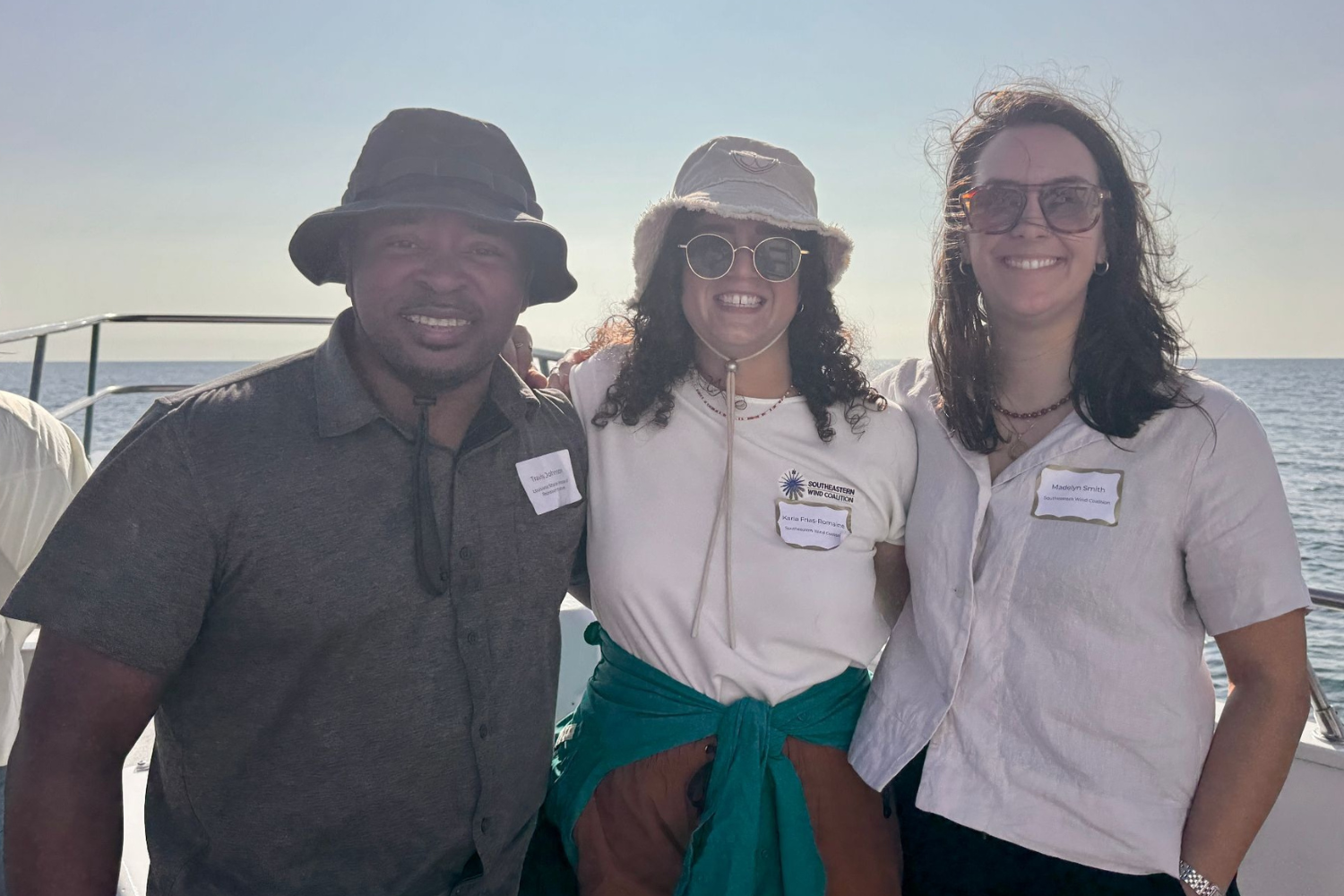
In August, the Southeastern Wind Coalition (SEWC) and the Center for Planning Excellence brought Louisiana leaders to Virginia Beach to participate in a series of wind tours hosted by SEWC and the Conservative Energy Network.
Over three days, we toured an offshore wind project by boat, cruised the Hampton Roads harbor, and sat down with Virginia's maritime association, regional economic development leadership, a state delegate, and a Virginia Beach city councilman for a working session we called the Louisiana Supply Chain Workshop.
Our Louisiana delegation used this opportunity to explore what the Bayou State can do in the next two to four years to advance a wind industry. We came away with a concrete set of insights to guide our work over the next several years.
Louisiana’s Energy, Manufacturing, and Port Assets are Positioned to Lead on Wind Energy
The first thing that struck the delegation was the scale of an offshore wind project and how similar it is to offshore oil and gas infrastructure. One delegate put it plainly: everything required to build a project like this is something Louisiana already does with oil and gas. The vessels, staging, marshaling, heavy components, offshore logistics, and more are required to build both.
Through its long history with offshore energy production, Louisiana has already developed the expertise and resources to lead in the wind supply chain. In fact, eight Louisiana companies helped build the first offshore wind project in the United States. Several vessels servicing the East Coast wind industry were built in Louisiana shipyards. The question is whether Louisiana moves to capture a larger and more permanent share of the wind industry and continues to lead the next era of offshore energy production.
How Virginia Secured Wind Investments
The most useful part of the experience was hearing how long it took to bring Virginia’s first offshore wind project to life. The history traces back roughly twenty years, to a coastal energy effort launched under a Republican governor in 2006. Five governors have led the state since. Our Virginia hosts were emphatic that wind energy was never a partisan project. Different administrations emphasized different economic, environmental, and social benefits of wind energy, and a strong coalition of partners continued progress through shifting circumstances.
What Virginia did to move the project forward required significant coordination and collaboration:
Deconflicted siting early. The Navy, NOAA, state agencies, and coastal users mapped where a new industry could go without harming existing shipping, defense, or tourism sectors.
Studied its own industrial base. Before recruiting anyone, Virginia inventoried its ports, yards, and skilled trades, and identified which existing businesses could pivot and benefit.
Invested in port infrastructure through conventional tools. A ten-year terminal lease paired with a federal Port Infrastructure Development Program grant produced one of the strongest load-out terminals on the East Coast.
Used general incentives, not wind-specific ones. Virginia's programs reward capital investment and job creation regardless of industry.
Stood up a coordinating body, the Virginia Offshore Wind Development Authority. Largely advisory in practice, but it gave industry, agencies, the Navy, environmental groups, and coastal users a standing table to negotiate around and resolve coordination issues.
The greatest insight for Louisiana overall was to stop thinking about these investments as specific to offshore wind and start thinking about them as strengthening the maritime industrial base and advanced manufacturing infrastructure. A dual-use port or fabrication facility can serve wind, and also service LNG, modular construction, defense, and whatever comes next. That framing de-risks the investment for the state and for the private partner, and helps large-scale plans survive political changes.
Open the Market with Onshore Wind
Learning from Virginia’s example, Louisiana delegates discussed the following path forward for advancing the wind industry in the state:
Open the market with onshore wind. Onshore wind development in North Louisiana and the Acadiana region is the most viable and welcome in the near-term, particularly as an economic development tool for underdeveloped regions. Building onshore wind projects will demonstrate demand that can support a broader wind supply chain in the Southeast.
Align incentives to make Louisiana easier to invest in. Louisiana has many existing tools: manufacturing incentives, inventory tax relief, port investment programs, certified and fast sites. Very few are wind-specific, and they don't need to be. What's missing is a clear assessment of which existing programs already apply to wind components and logistics, and where a narrow amendment would make Louisiana competitive.
Create a coordination mechanism. This could mean forming a new commission or expanding an existing one to coordinate stakeholders and focus on attracting logistics and advanced manufacturing investments to Louisiana’s inland and coastal ports.
Louisiana has the ports, vessels, fabricators, workforce, and the energy expertise to help lead the development of the wind industry in the Southeast. It also has growing demand from customers who want wind in the electricity mix. What Louisiana needs is coordination, port readiness, and aligned incentives to attract wind investment and capture this economic opportunity for the state. Done well, this will position Louisiana to lead not just the burgeoning wind industry in the Southeast, but also the nation in the next era of energy production, technology, and manufacturing.